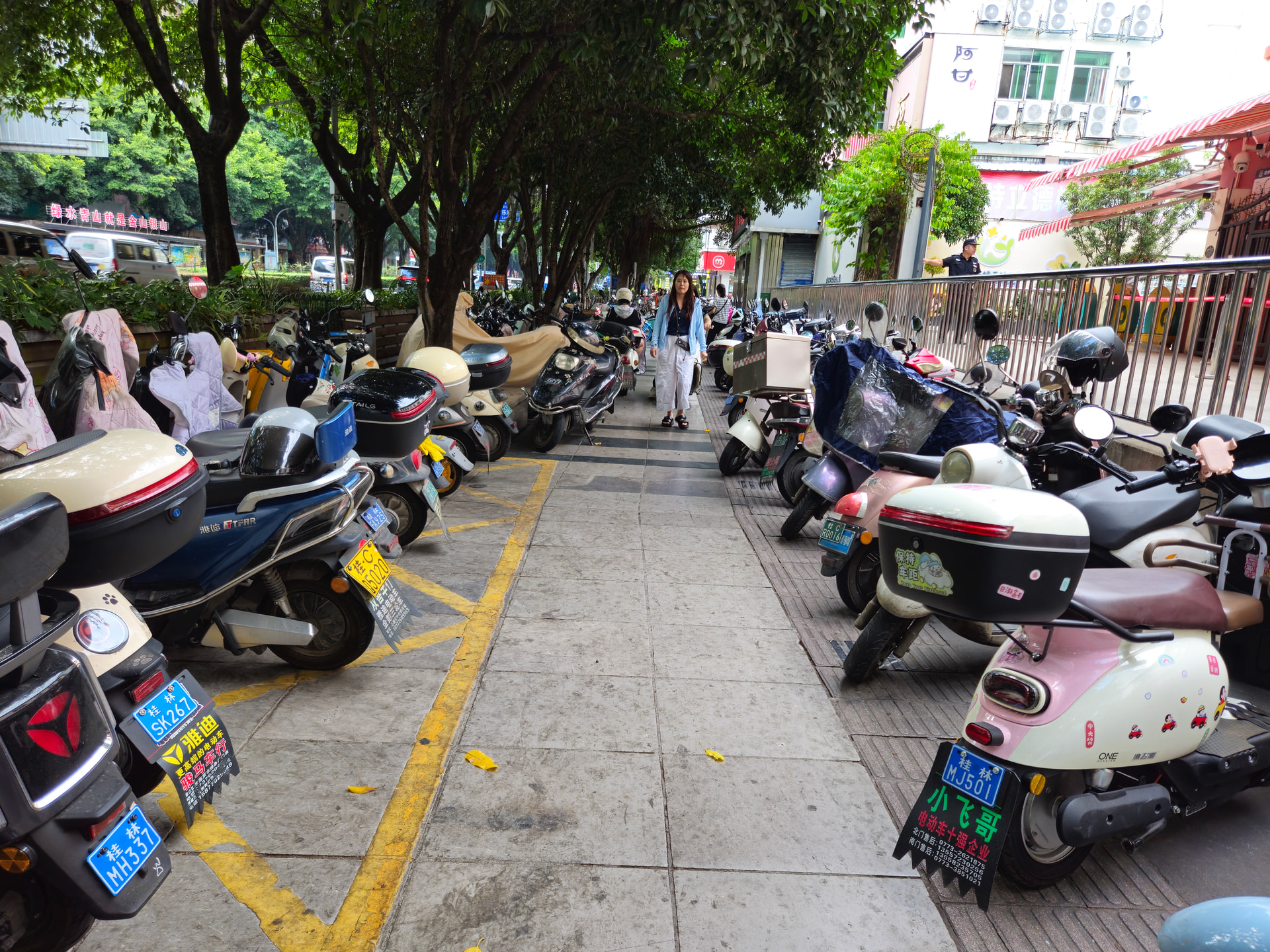
@wpr101 Glad I was able to provide a little on the scene information to a company on your watch list.
This following essay is probably off topic, but you mentioned the improved investability of China, so here’s an opinion piece.
As for China cleaning up their act with respect to investing information integrity, I have no doubt that this is largely true. China has become increasingly aware and sensitive to its image around the world, their brand you might say.
This has been going on for a while now, even before Xi came to power. But if anything, Xi seems to be even more aware of these issues than Hu was. The fairly recent $300 billion bankruptcy, the largest in history, of Evergrand was a serious black eye for China.
And even more significant than the blot on China’s image was the blow to the economy. The real estate sector accounted for about 25% of the Chinese economy. While Evergrand was the largest real estate developer to go out of business, it wasn’t alone. A lot of RE development companies all across China went under. My wife’s nephew who had just recently before the collapse obtained a license as an architect lost his job.
China has a rapidly growing middle class, many of whom have become investors. But most of the new investors are quite unsophisticated. They are fond of tangible invetments as opposed to equity stakes in companies.
There are many investors in China who purchased properties without ever finishing them. Side note: if you buy a new condo in China you have just purchased a brand new cement box with the basic floor plan in place. Plumbing has been brought to the bathrooms, kitchen and likely spot for a washing machine. But that’s about it. No fixtures have been installed. There’s a breaker panel, but circuits haven’t been pulled (which entails cutting wire routings in the cement walls, ceiling and floor). The shells that have been purchased as an investment remain in this state. Obviously, they can’t be rented. They just sit, vacant with the expectation of future appreciation.
Evergrand first defaulted on it’s debt payments to foreign investors in late 2021. It wasn’t until early 2024 that a liquidation was ordered by the Hong Kong bankruptcy court as no feasible restructructuring plan was ever presented despite the numerous attempts that were made.
You needn’t think on it very hard to realize that this cataclysmic economic event seriously impaired China’s ability to draw investment money into the country. Xi was not happy. But, he is intelligent and pragmatic. Several government sponsored initiatives have been implemented in order to restore the economy. It’s a work in progress.
The upshot of this is that China has embarked on serious regulatory reforms with respect to financial reporting of companies once the achieve a certain size. The appropriate reports must be submitted prior to public listing on any exchange (including Chinese exchanges). I am confident that there are signifcant penalties for willfull violations of reporting requirements, however I am less confident of enforcement measures. If international diversefication is the objective, I for one still consider that investing in Chinese companies comes with a higher level of risk as compared to any company in a country with a democratic government in place. There are Asian countries that might be considered reasonably safe, Singapore comes to mind, but other than China I’m really not well informed about the safety of investing in this region.

 at the moment. ELVA’s are aimed at machinery - not a problem as there are going to be lots of robots……except that ELVA’s are big and heavy and go into vehicles. I decided that I liked EOSE better based on their fit with the AI/DC thesis.