Just for the heck of it, I typed in how do doctors miss developing ASCVD Give it a shot 

20 30 years? You’d probably get bad results. It is dangerous to take a lot of vitamins for the long haul.
I wish I had a fountain of youth for you. I do not.
Dr. Mercola awaits you.
Prompt
how do doctors miss developing ASCVD would vitamins have stopped the progression
AI Overview
Doctors may miss developing atherosclerotic cardiovascular disease (ASCVD) because it often has
no symptoms in its early stages, and when symptoms do appear, they can be atypical or misattributed to other conditions.
Vitamins have not been shown to prevent the progression of ASCVD; high-quality evidence suggesting benefits for most vitamin supplements is minimal or non-existent.
I don’t doubt it….also over the short term, depending upon a lot actually means. I note that you didn’t actually ask how much I take before launching into the false dichotomy. 2000 I.U. is definitely not considered an excessive dose for folk such as myself who is super cautious about sun exposure and routinely tests on the low side.
No matter….don’t let an inconvenient fact intrude on an evidence free belief
2 Likes
And again, I will point out that back in the 1980/90s no high quality long term evidence for benefit could be found on the use of statins…….because they hadn’t yet been on the market for long enough.
Additionally, if I created the impression that my vitD supplementation is because of ASCVD mitigation benefits, I apologize. I certainly wouldn’t bother with that. Rather I am extrapolating for the long haul based upon what is currently known about the necessity for bone health andcalcium metabolism based upon historic studies on deficiency and mechanisms of action.
Being something of a lightweight (poundage wise) …..because of very close attention to dietary quantity as well as quality….and the relatively low energy content of my routine daily rations, I don’t feel I can afford to be as complacent about the macro and micronutrient profile as those with a more “relaxed” approach. Osteoporosis is quite a problem for the elderly. Not an issue for me…..yet (per my DEXA last year) Possibly won’t be in the future with or without my attention to diet/exercise but, I don’t feel inclined to take the chance given the impact on quality of life that comes with that condition.
1 Like
Here you go @WendyBG, I knew I’d read something of a deep dive into the literature recently…
Preventing seasonal declines in vitamin D with exercise - Peter Attia Preventing seasonal declines in vitamin D with exercise - Peter Attia
Of course, there might be a reason why it doesn’t seem to work for us (beyond it’s all a load of nonsense ) We ain’t fat enough! I guess we have to keep beggering on with the supplements…or get more age spots/SCC for me
I don’t think this article is behind a paywall…..apologies if that’s the case
Except I wasn’t talking about you or vit D.
Plus taking vit k changes that ball game to a dangerous unknown.
Oh, I’m plenty fat enough! LOL!
I weigh 50 pounds more than my younger sister. That and 50 years of weight lifting have kept my bone density reasonable while she has osteoporosis and has been taking bone-building meds for years. She’s very fit but her favorite exercise was always swimming…in retrospect, great for cardio fitness but no stress on the bones.
As for exercise and Vitamin D in winter…I have found both to be antidepressants so I will continue both. It’s not either/ or for me.
Wendy
Really? The response was to a post by me citing Vit D specifically so it was a logical assumption that you were…..and I’ll stick with vit D since that’s where I test low (as important as vit k is)
I fixed the dire warning to a simple observation BTW. I’m still wondering why you’re so hung up on why supplementation with any vitamin that’s been well recognised to be important in bone health and calcium metabolism (to name but two functions) would be “dangerous” to anyone who routinely tests at slightly lower than optimal levels. Not just me.
Vit D has been considered an important enough nutrient for long enough in the prevention of deficiency diseases such as rickets etc that most developed countries have been fortifying selected foodstuffs as a public health measure since the link was recognised close to a century ago. Along with milk and milk products, another source has been breads and baked goods, and breakfast cereals…..bogey men, among others, in those Ultra Processed Foods that are currently in the dock, right? Possibly another reason why I’ve tested lowish in addition to my cautious approach to sun exposure. Something for anyone who’s a late bloomer in conversion to healthy eating habits and avoidance of this source of vit d to be aware of.
Blimey…..the things a body remembers. Back when I was doing my basic sciences and studying this sort of stuff formally (early 1970s….yikes!) I’m recalling one culturally insensitive aide memoir that went along the lines of the reasons why Pakistani immigrants living in Manchester were so prone to rickets/osteomalacia. Darker skin tone, dreary overcast weather (winter and summer) and high consumption of chapatis as a dietary staple.
A perfect storm of low natural vit d production and exogenous “supplementation” as chapati flour wasn’t usually fortified at the time. Was also quite high in phytates and oxalates….which served to chelate calcium, so a double whammy.
3 Likes
Not everything is about you.
A bit of a possibility. Fits your needs, but there is another factor.
AI Overview
Yes, low folic acid can affect people through various issues, including fatigue, nerve problems, and megaloblastic anemia
(where red blood cells are abnormally large). In pregnant women, a deficiency significantly increases the risk of serious birth defects, such as neural tube defects like spina bifida. Other potential effects can include confusion, depression, and an increased risk of heart conditions, especially with long-term deficiency.
AI second result
Yes, Indian people often have lower folic acid levels due to dietary deficiencies and poor absorption
, which are contributing factors to the high prevalence of anemia and other health issues like neural tube defects. Studies have shown significant folate deficiency in various groups, including urban women, adolescents, and rural elders.
Reasons for low folic acid levels
- Inadequate dietary intake: Many Indian diets are considered inadequate in folic acid.
- Poor bioavailability: Dietary sources of folate may have lower bioavailability for some people.
- “Hidden Hunger”: A phenomenon where even with sufficient calorie intake, there is a lack of essential micronutrients like folate, vitamin
[image]
B12cap B sub 12
𝐵12
, and iron.
- Dietary habits: Traditional diets, which can be high in phytate from grains and legumes, can interfere with the absorption of some nutrients.
Health consequences
- Anemia: Low folate is a major risk factor for anemia, especially in conjunction with iron deficiency.
- Neural Tube Defects (NTDs): Folate deficiency is a primary cause of NTDs, which are severe birth defects of the brain and/or spinal cord. India has a very high number of babies born with NTDs annually.
Potential solutions and considerations
- Supplementation: Folic acid supplementation during pregnancy is crucial to prevent NTDs.
- Food fortification: Fortifying staple foods like flour and salt with folic acid is a key strategy to increase population-wide intake and has been implemented in some areas.
- Further research: More studies are needed to determine the most effective and scalable methods for improving folate status across the population, such as fortifying tea, as suggested by some research National Institutes of Health, BMJ Nutrition, Prevention & Health.
1 Like
Dumping this link here as a useful overview of the Rocks/Important Pebbles in the Longevity bucket (the First Order phenomto be addressed before contemplating supplements for most individuals)
Following a conversation with my personal trainer yesterday I was specifically looking for a piece on fall prevention ( a big topic on Attia’s site)….I guess I have to look a bit more. From the backdrop etc, I’m surmising that this is a talk to oldsters at a senior center….
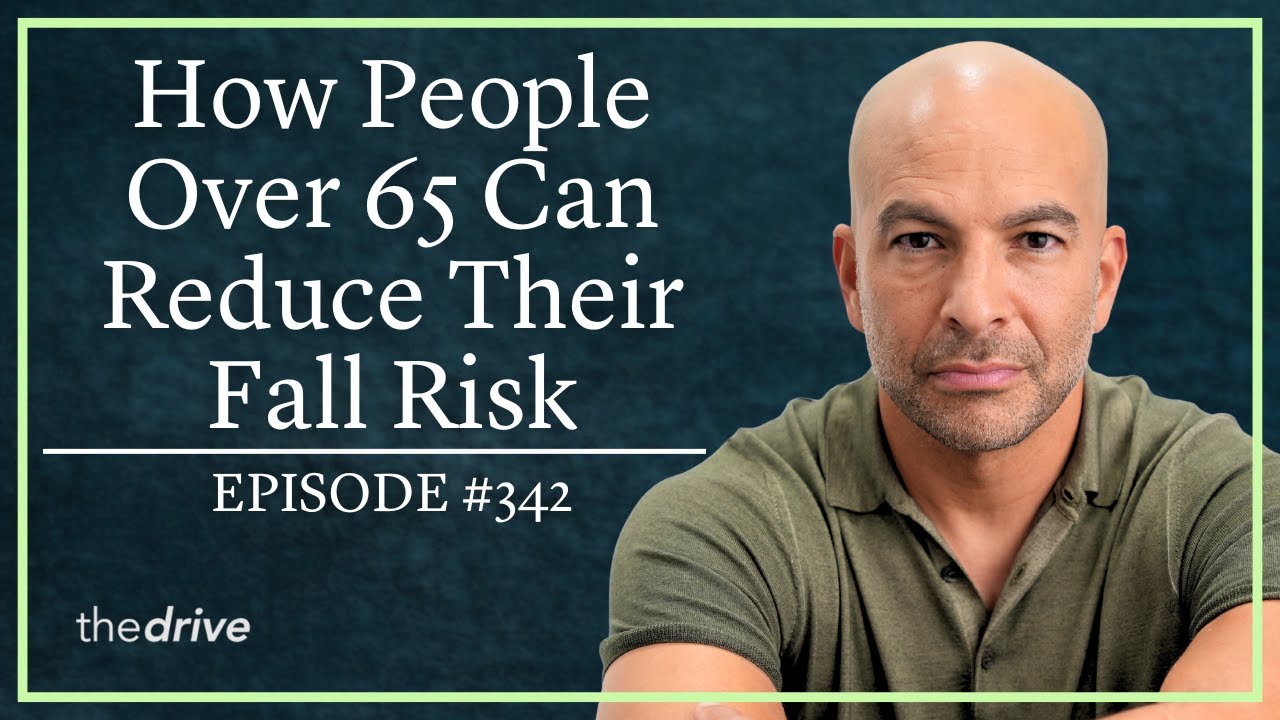
My particular focus right now is protein intake (as a pebble, not a rock) starting at close to the 5 minute mark. Obviously “caution is advised” as poundage increases above a reasonable bodyweight/BMI.
So, in my focus on a degree of precision nutrition for myself (could be termed “obsession” for those who don’t) I got to wondering about those RDA figures on the nutritional labels. Particularly protein as a micronutrient……especially since, left to my own devices, as a 73 year old, lightweight woman looking to at the very minimum maintain current muscle and bone health as a First Order phenom, I’d probably be in a deficiency state.
Here’s an interesting (for me) round up of historical underpinnings for the RDA that’s still set in stone.
Optimizing Protein Intake in Adults: Interpretation and Application of the Recommended Dietary Allowance Compared with the Acceptable Macronutrient Distribution Range - PMC Optimizing Protein Intake in Adults: Interpretation and Application of the Recommended Dietary Allowance Compared with the Acceptable Macronutrient Distribution Range - PMC
A longish read, for sure. However,vin the context of the costs of healthcare in a different thread, it’s a useful adjunct to look at the micro as well as macroeconomics of frailty and poor nutrition in the older population……even those who’re overfed.
3 Likes
Mom lived to an active (still walking a couple miles on the beach each week until her last months) 97. Once a week or so she and her housemate (an old church choir friend of mine who was “only” in her 70s) walked two blocks to a Ruth’s Chris Steak House for “red blood food” as Mom called steaks. She always ordered the Cowboy Tomahak steak, medium rare. The wait staff always cued the other customers to “watch that old lady chew that bone” because Mom knife and forked the entire monstrous cut, and then proceeded to pick up and slowly ravenously chew every bit of fat and meat off the long bone.
She mostly was quasi-vegan, but she insisted on “listening to what the body wants.”
Works for me.
2 Likes
@VeeEnn thank you for sharing this information.
Psalm 90:10, traditionally written by Moses himself, states that the life of man is 70 years and, “with strength” 80 years.
Those of us who are already over age 70 need to work hard on maintaining physical fitness in the context of maintaining our independence and avoiding frailty and injury. This is a real paradigm shift for people who have been active and athletic for decades. We both want to look good but at our age it’s more important to be safe.
Both of us had surgery about a year ago which set us back significantly in terms of being able to exercise. (Mine much worse than yours since open-heart surgery with a serious pleural effusion was more severe than a bunion surgery.)
Two large studies (a 2005 study in the U.S. and a 2025 study in Denmark) show that underweight people and those who are extremely obese die earlier than people of normal weight—but those who are overweight actually live longer than people of normal weight.
This isn’t surprising to me. Serious health challenges, such as surgery, often reduce the amount of nutrition because appetite is lower. Old and sick people may lose weight and become frail. Extra fat is like a “savings account” when a person isn’t able to eat as much temporarily and needs more energy to heal.
Having been through several major surgeries I learned that the most important thing is to eat as much protein as possible and exercise to the maximum ability (which is seriously set back at first but gradually improves). I’m only just beginning to feel more like myself again and it’s been almost a year since my surgery. (I also started to take 100 mg of niacin which has made a noticeable improvement in my energy.)
Having extra weight builds strength while healthy (especially muscle and bone density). There is a big difference in stress on the femur and hip joints between my 106 pound younger sister doing a squat and 155 pound me doing a squat (especially with 16 pounds of barbells). I have to be especially vigilant about osteoporosis because I took an aromatase inhibitor for 5 years (to suppress estrogen due to bilateral estrogen-sensitive breast cancer). But DS has been taking a bone-building drug due to her very low bone density for over 5 years. (She is 4 years younger than I am.)
Both muscle and fat are important for recovery and maintenance. I think I should lose 10 pounds but I wouldn’t want to get under a BMI of 25. I eat protein at every meal.
It takes a lot of time and serious effort to cook high-nutrition meals at home and exercise to the degree needed to maintain muscle strength. (With awareness that I have injured myself doing exercises I have done a thousand times safely when younger.)
The macroeconomics of frailty and poor nutrition will sink our country. People who are overfed with empty carbs but lacking essential protein, vitamins and minerals will cost a huge amount if they can’t take care of themselves.
Wendy
@VeeEnn from a more practical standpoint, you and I need to focus on the protein needs of an active 70+ year old woman.
Here is what Google Gemini says:
- Protein Goal for Fat Loss in Active Seniors: 1.2 g to 1.6 g per kg of body weight (some sources recommend up to 2.0 g/kg).
- Estimated Daily Protein Range: 84 to 112 grams per day.
- Meal Distribution Goal: 25 to 35 grams of protein at each of the three main meals.
Wendy
1 Like
Yes. I do a “back of the envelope” calculation of 1gm/lb bodyweight as a “reach”/struggle (I’m toggling around 132-135 lbs at 5’6”), 100-120 gms as a hopeful goal. I can usually get 100 or so gms with the aid of a protein shake……that’s where I add my extra creatine and collagen for convenience.
I’ve done this for a number of years (not so much the collagen). Well over a decade of an avocation in the gym based fitness industry throughmy 50s and early 60s rubbed off a bit WRT protein consumption but I have to confess, I didn’t put serious thought into changing needs that come with chronological enrichment until the last 5 years or so.
Fortunately, I fancy I was working with a fair bit of spare capacity by the time recovery needs and adjustments for my cardiac situation presented themselves.
Number 3 on your list is often overlooked. Starting with a study at the University of Texas about 30 years ago, it appears that seniors need protein distributed throughout the day to properly synthesize it into muscle whereas younger test subjects could eat a lot of protein at one meal and metabolize it throughout the day.
In my case add some sautéed onions, peppers, beans and corn to my scrambled eggs at breakfast, and/or nuts or nut butters to my oats, or wild planet wild caught sardines on dumbbell days, and so on.
3 Likes
BTW @WendyBG ….. “caution is advised” when looking at studies that promote the seeming health benefits of being significantly overweight or even obese as compared to lean when mortality is the measure of comparison. These have cropped up with a fair bit of regularity over the years and always gain traction with the Health At Every Size/Fat Acceptance movements. Almost invariably, close analysis shows that the impact of folk who died of diseases that in and of themselves result in significant weight loss prior to death hasn’t been adequately considered as a confounder
1 Like